Bridging personal milestones and visual archives via strategic navigation in standalone digital portfolios
Ines Perry · Oct 28, 2026
Bridging personal milestones and visual archives via strategic navigation in standalone digital portfolios
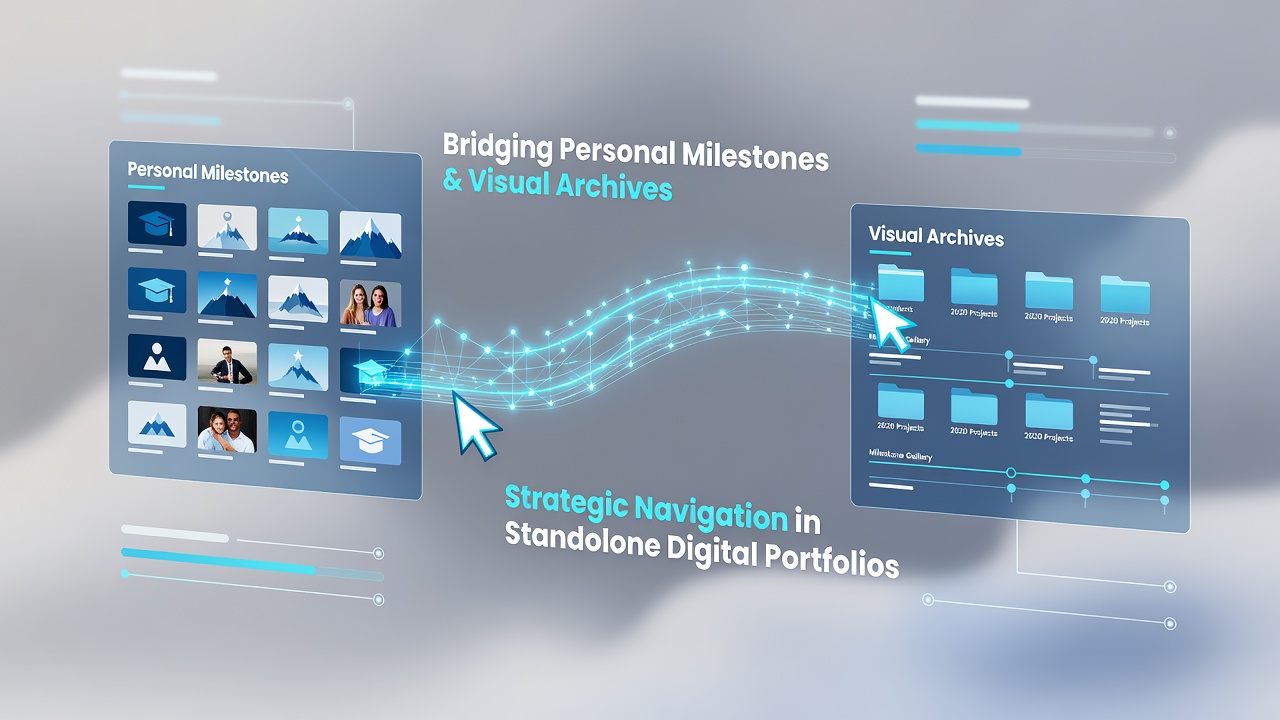
People maintain standalone digital portfolios on custom domains to organize personal milestones alongside collections of images and media files. These platforms allow structured navigation that connects chronological events with corresponding visual records through menus, timelines, and interactive sections. Research from the Australian Bureau of Statistics indicates that 68 percent of individuals with personal websites in 2025 used dedicated navigation systems to link biographical entries with media libraries. Standalone portfolios differ from social media platforms because owners control the full structure and data hosting. Experts observe that this control enables precise mapping of life events such as career changes, educational achievements, and family developments directly to dated photographs or video clips. Data from Statistics Canada shows that custom domain usage for such portfolios increased by 22 percent between 2023 and 2025, reflecting greater interest in self-hosted solutions. Navigation design often incorporates horizontal timelines or vertical scroll paths that align milestone descriptions with thumbnail grids. Observers note that users frequently embed filters allowing visitors to sort content by year, category, or media type. This approach keeps related material accessible without requiring external redirects. One case involved a designer who placed project launch dates alongside embedded galleries, resulting in clearer presentation of progression across multiple years.Core Navigation Techniques
Strategic navigation relies on several established methods. Breadcrumb trails display the current location within a larger sequence of milestones, while anchor links jump directly to specific visual archives. Researchers at the University of Melbourne documented that portfolios employing these elements retained visitor attention 35 percent longer than those using only top-level menus.
Search functions integrated into standalone sites further bridge milestones and visuals by indexing both text descriptions and alt attributes on images. According to figures from the OECD digital skills report, sites with internal search capabilities saw higher return visits from users seeking specific historical records.
Integration of Milestones and Media
Effective portfolios synchronize written milestone entries with media through shared metadata. Dates, locations, and tags applied to text sections mirror those attached to images, allowing unified display when users select a particular period. Those who study web architecture find that consistent tagging reduces duplication and improves retrieval speed across the archive.
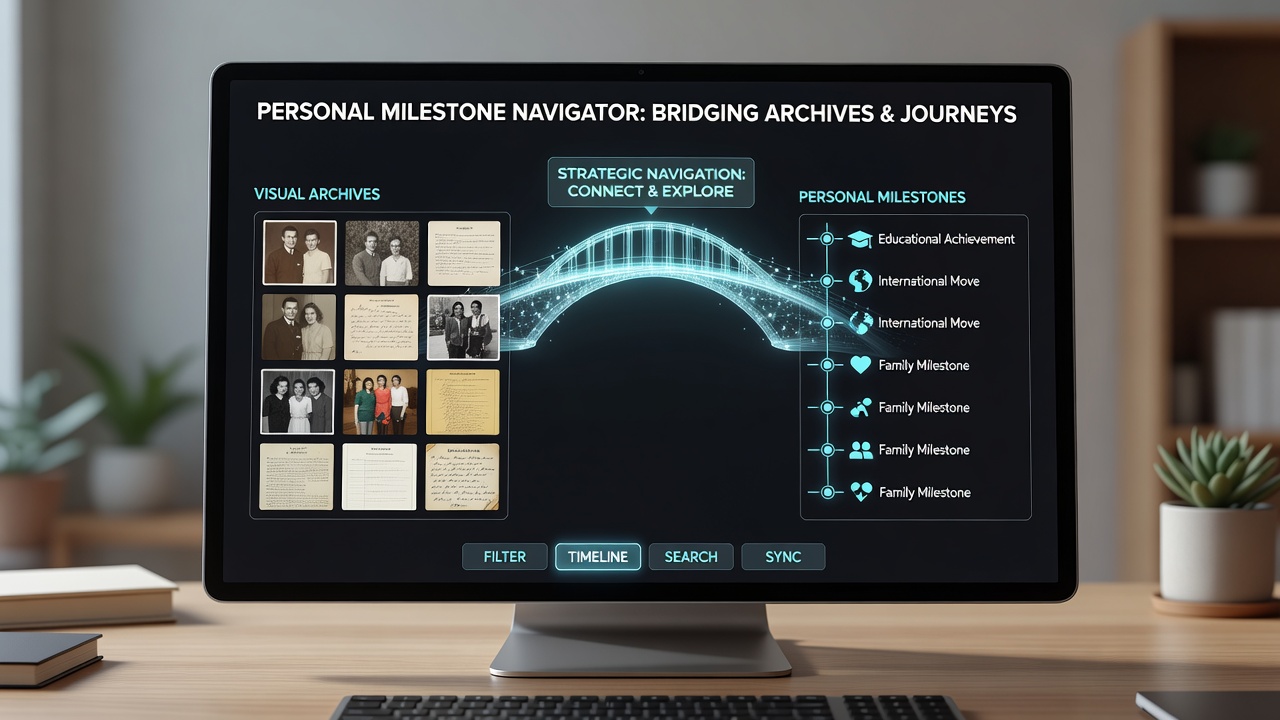
As of October 2026, platform updates from major hosting providers introduced improved schema markup support that helps search engines recognize connections between biographical text and visual files. This development has encouraged more individuals to adopt structured data practices within their portfolios.
Practical Implementation Patterns
Many portfolio owners begin by listing major milestones in a central index page, then attach expandable media sections beneath each entry. Others create separate visual timelines that mirror the milestone sequence, using JavaScript to highlight matching items when a user hovers over either side. Industry analyses from the European Centre for Digital Transformation reveal that portfolios using synchronized highlighting achieved 28 percent more page interactions than static layouts.
Responsive design ensures these navigation elements function across devices, maintaining the link between milestones and archives regardless of screen size. Data indicates that mobile users now account for over half of visits to personal portfolio sites, prompting designers to prioritize touch-friendly timeline controls.
Conclusion
Standalone digital portfolios continue to evolve as tools for connecting personal milestones with visual archives through deliberate navigation choices. Evidence from multiple regional studies confirms that structured approaches improve both accessibility and retention of historical content. Individuals who apply consistent metadata and responsive navigation elements create unified experiences that remain functional as collections grow over time.