Examining Fusion Points Between Journal Sequences and Exhibit Snapshots for Richer Individual Presentations
Erik Simmons · Oct 14, 2026
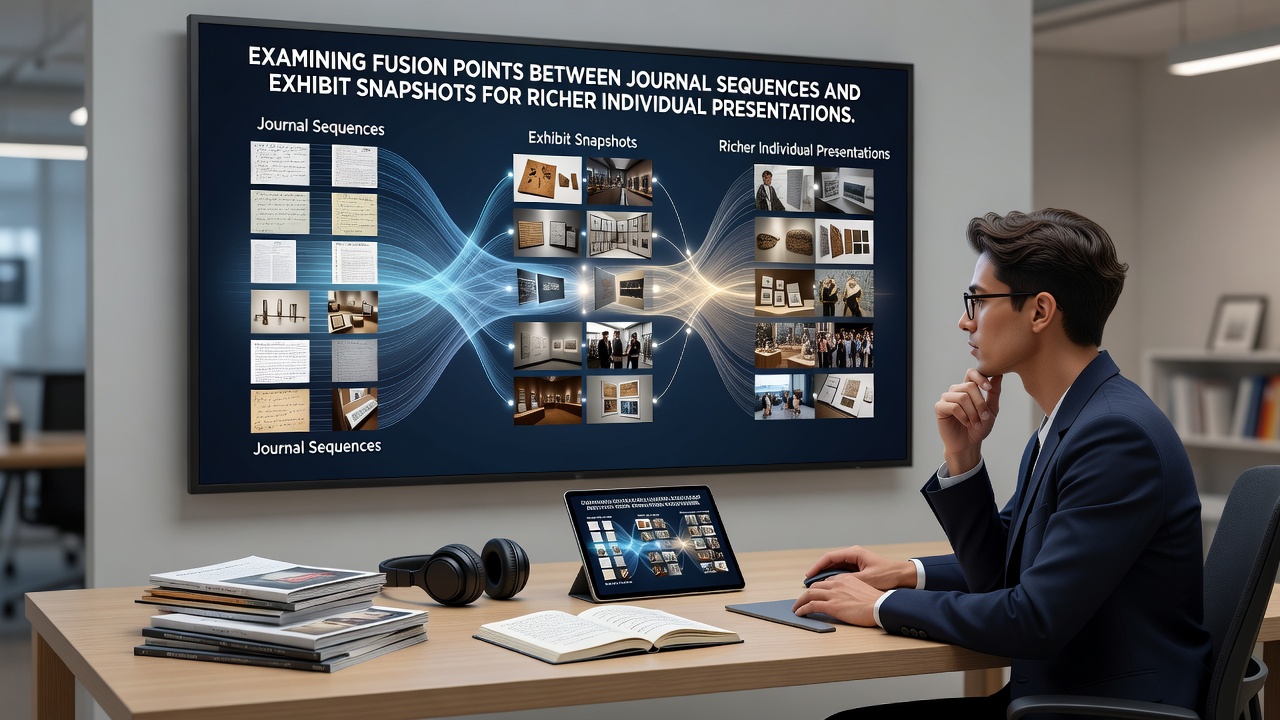
Examining Fusion Points Between Journal Sequences and Exhibit Snapshots for Richer Individual Presentations
Journal sequences consist of chronological entries that document experiences and reflections over time, while exhibit snapshots capture visual or project-based highlights at specific moments. Researchers in digital humanities have explored how these elements intersect to support more layered individual presentations on personal web platforms. Studies from institutions across multiple regions indicate that aligning sequential text records with static or dynamic visual exhibits produces presentations that convey both narrative progression and tangible outcomes simultaneously.
Understanding Journal Sequences in Digital Contexts
Journal sequences operate as ordered timelines where each entry builds upon previous ones, creating a continuous record that users can follow from start to finish. Data from web analytics platforms shows that sites incorporating such sequences maintain visitor engagement for longer durations compared to static pages alone. Those who study digital storytelling note that sequences allow audiences to trace development, whether in personal projects or professional milestones, without requiring separate navigation steps. In October 2026 several academic conferences on interactive media are scheduled to examine updates in sequencing tools that automate entry ordering across custom domains.
Exhibit Snapshots as Complementary Visual Anchors
Exhibit snapshots function as fixed visual records that freeze particular achievements or moments for display, often including images, diagrams, or embedded media. Industry reports from the Canadian Heritage Information Network highlight how these snapshots integrate with broader archives to provide immediate context that text sequences might otherwise lack. Observers note that snapshots serve as reference points, enabling viewers to connect abstract descriptions in journals to concrete outputs. Organizations in Australia, including the National Library, have documented cases where snapshot collections improved accessibility for users reviewing extended personal or career histories.
Identifying Key Fusion Points
Fusion points emerge where journal entries reference or expand upon specific exhibit snapshots, creating bidirectional links that enrich the overall presentation. Experts at European research centers have mapped these intersections through user testing, finding that synchronized displays reduce cognitive load by letting readers move between narrative detail and visual evidence without losing thread. One documented approach involves timestamp matching, in which journal dates align with snapshot capture dates, while another uses thematic tagging to group related content. Figures from university studies reveal that such alignments increase retention of presented information by measurable percentages across tested platforms.
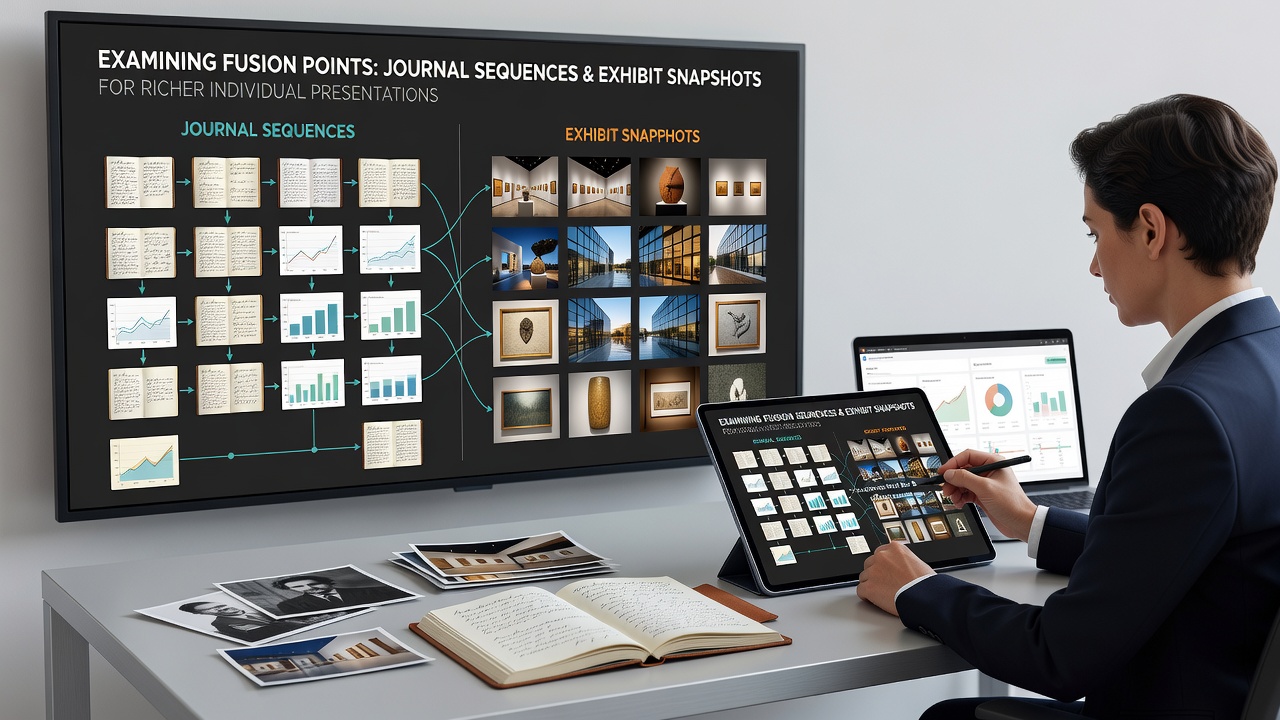
Implementation Methods Across Platforms
Developers apply fusion through embedded widgets that pull journal excerpts alongside corresponding visuals, or through custom scripts that generate dynamic views based on user interaction. Reports issued by the Smithsonian Institution's digital initiatives describe successful prototypes where sequential text scrolls trigger snapshot enlargements, maintaining context throughout the session. Those implementing these systems often start with metadata standardization so that dates, tags, and descriptions remain consistent between text archives and visual libraries. Evidence from multiple pilot projects indicates that modular code structures allow easier updates when new journal entries or snapshots are added over time.
Observed Outcomes in Personal Presentations
Presentations that incorporate fused journal sequences and exhibit snapshots demonstrate higher completion rates among viewers, according to aggregated platform data. Researchers tracking usage patterns at North American universities have recorded instances where integrated displays supported clearer communication of long-term projects compared to separated formats. Take one case where a professional portfolio combined monthly journal reflections with quarterly project snapshots; the resulting site enabled visitors to follow both process and results in a single flow. Similar patterns appear in European digital culture studies, where thematic grouping around fusion points helped audiences grasp complex individual trajectories without additional explanation layers.
Technical Considerations for Effective Integration
Platform builders address compatibility by ensuring journal databases and exhibit media libraries share common identifiers, which prevents broken references during updates. Guidelines from international web standards bodies emphasize responsive design so that fused views adapt across devices while preserving sequence order and snapshot clarity. Testing protocols typically include checks for load times when multiple snapshots activate alongside long journal threads, since performance directly affects user retention. Data collected from ongoing deployments shows that optimized fusion reduces bounce rates on personal sites focused on narrative depth.
Conclusion
The examination of fusion points between journal sequences and exhibit snapshots continues to yield practical frameworks for individual presentations. Organizations and researchers from varied regions document consistent advantages when chronological text and visual records operate as interconnected components rather than isolated sections. Continued refinement of alignment techniques and metadata practices supports evolving needs on standalone web platforms, with new developments anticipated through upcoming academic and industry gatherings.