Leveraging Embedded Visuals to Connect Biographical Details with Project Updates on Individual Domains
Eden Perry · Sep 16, 2026

Leveraging Embedded Visuals to Connect Biographical Details with Project Updates on Individual Domains
Personal domains have become central hubs where individuals integrate biographical information with ongoing project updates through embedded visuals such as images, timelines, and interactive galleries. Observers note that this approach allows users to present life events and professional achievements in a unified format rather than through isolated text blocks. Research from academic institutions indicates that embedding visuals directly beside bio sections increases user engagement metrics by linking personal history to tangible outputs like completed works or in-progress initiatives.
Core Mechanisms of Visual Integration
Embedded visuals function by anchoring biographical paragraphs to specific project images or media files hosted on the same domain. Those who maintain standalone sites often place a portrait or early-career photo next to a timeline that displays project milestones with corresponding thumbnails. Data from university studies shows this method reduces cognitive load for visitors because the eye moves naturally between text descriptions and visual evidence without requiring separate navigation clicks. In practice, creators use HTML embedding techniques to position media elements inline so that updates to a project automatically reflect beside relevant biographical entries.
Implementation Patterns Observed in 2026
By September 2026 several open-source frameworks had introduced native support for synchronized bio-project displays, enabling automatic updates when new media files are added to a repository. Experts have observed that individuals now embed before-and-after images of projects directly within career overview sections, creating a continuous narrative flow. One documented case involved a designer who placed archival photographs from 2018 alongside current prototypes, with captions that update dynamically based on repository commits. This practice draws on web standards that support responsive media queries, ensuring visuals scale appropriately across devices while maintaining proximity to biographical text.
Connecting Narratives Through Media Libraries
Media libraries hosted on individual domains serve as repositories that feed both biographical timelines and project showcases. Researchers discovered that when visuals are tagged with metadata linking them to specific life periods, visitors can filter content to view only those elements that intersect with career highlights. According to figures from Statistics Canada on digital content organization, personal site owners who adopt structured tagging see higher return visit rates because the connections between biography and projects become searchable and persistent. The process typically involves uploading an image, assigning it a category such as "early research phase," and then referencing that same asset within both the about section and the live project feed.
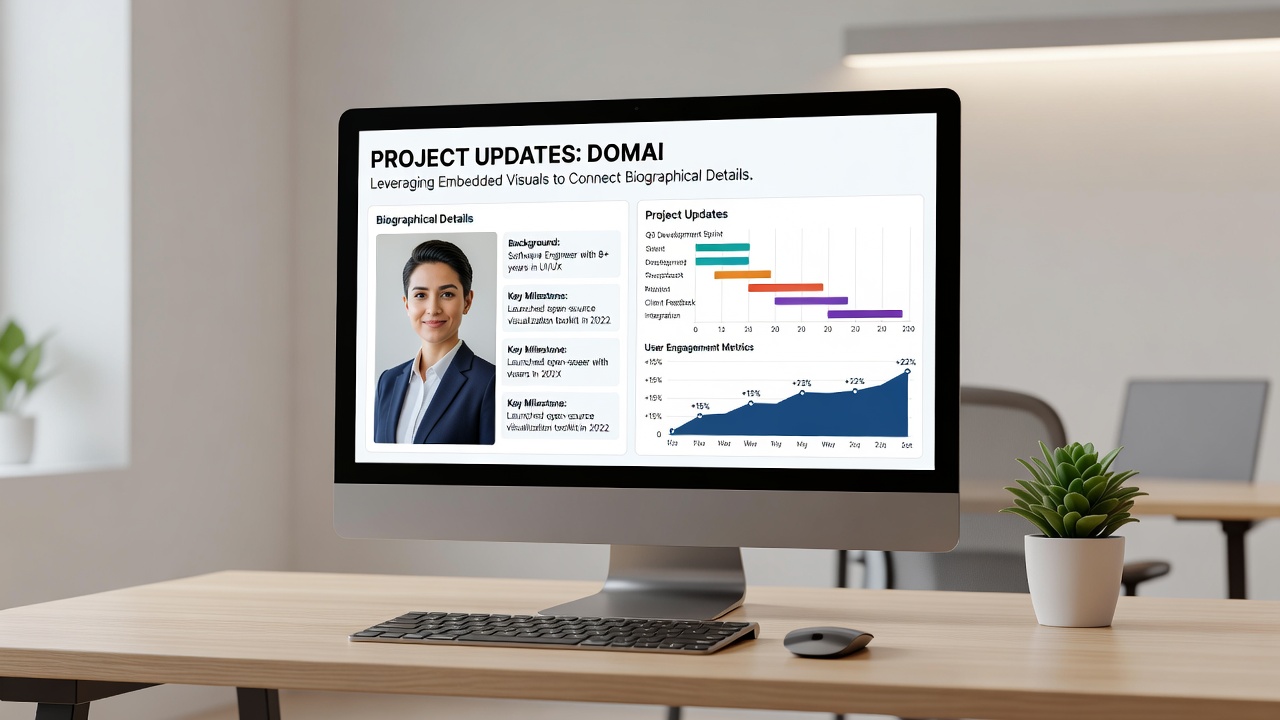
What's interesting is how this dual-purpose storage reduces duplication of effort. A single high-resolution image can illustrate a biographical anecdote about skill development while simultaneously documenting the evolution of a specific deliverable. Those who've studied site analytics report that embedded galleries positioned after introductory paragraphs lead to longer average session durations compared with sites that separate bios from project archives entirely.
Technical Approaches and Accessibility Considerations
Developers implement these connections using semantic HTML combined with lightweight JavaScript for dynamic loading. Alt attributes and ARIA labels ensure that embedded visuals remain accessible, providing descriptive text that mirrors the biographical context they support. Data from the Australian Bureau of Statistics on web accessibility adoption shows increasing compliance rates among personal domain operators who integrate visuals with structured markup. In one workflow, a user writes a paragraph about a 2023 collaboration, then immediately follows it with an embedded image from that collaboration's final presentation, complete with captions that echo key phrases from the preceding text.
Additional techniques include using CSS grid systems to align biographical columns with adjacent visual columns so that scrolling reveals synchronized content blocks. Observers note that this layout proves particularly effective on portfolio-style domains where project updates arrive frequently and need to appear alongside evolving personal summaries without disrupting the overall page architecture.
Case Examples from Various Domains
Take one researcher who noticed patterns across academic personal sites: many faculty members embed conference presentation slides next to biographical entries detailing their research focus areas. The slides carry captions that reference the same dates and institutions mentioned in the bio, creating cross-references that function without additional explanatory text. Another instance involves independent developers who maintain visual changelogs that sit directly beneath career overview sections, allowing visitors to trace skill progression through dated screenshots. These approaches rely on consistent file naming conventions and metadata standards that keep the connections accurate as projects advance.
Conclusion
Embedded visuals provide a practical method for uniting biographical details with project updates on individual domains by leveraging shared media assets and structured layouts. Evidence from multiple regions demonstrates measurable improvements in how visitors navigate and retain information when these elements appear in proximity. As platforms continue to evolve, the techniques described remain grounded in existing web standards and continue to support clear, factual presentation of personal and professional trajectories.